 how-to
Solar Diagnostics When Your Installer Is Gone
Table of Contents
- What Is an Orphaned Solar System
- Why Solar System Not Producing After Installer Closes
- Solar Inverter Troubleshooting: Enphase, SolarEdge, SMA, Fronius, and APsystems
- Solar Monitoring Not Working: Account Access and Data Loss
- Orphaned Solar System Repair: When to Fix, When to Replace
- What Records to Gather Before Diagnostics
- How We Diagnose and Rescue Your System
- Frequently Asked Questions
Last Updated: October 17, 2026
What Is an Orphaned Solar System
An orphaned solar system is a residential solar installation whose original installer has closed or stopped servicing systems, a situation where solar system diagnostics orphaned by the installer's closure become your responsibility. You own the equipment. The company that installed it is gone, leaving you without warranty support, monitoring access, or anyone to call when something breaks.
Over a dozen Florida solar installers have shut down in the past five years. Most were investor-backed companies run from out of state. When the money dried up, they closed the local branch and left customers stranded.
When your installer disappears, you lose monitoring access, warranty coordination, and anyone who knows your equipment. Your panels and inverters still work. They just need the right contractor to diagnose them. At Florida Solar Pro, we take over orphaned systems every month. We're licensed, certified on all major brands, and we know how to rescue abandoned systems.
Why Solar System Not Producing After Installer Closes
Your system stops producing for a few specific reasons after your installer vanishes. Most of the time it's fixable, not a catastrophic failure.
Loss of monitoring access is the first clue.
Inverter or microinverter failures are the most common culprit. These devices convert DC power from your panels into AC power your home uses.
Communication faults happen when the inverter loses connection to your monitoring system. The equipment still produces power, but you can't see it.
Roof damage and weather cause real problems in Florida. Inland freeze nights in Sebring and Okeechobee can damage freeze protection on solar water heating.
Ground faults and arc faults are electrical safety issues. The system detects them and shuts down to prevent fire.
The path forward starts with solar system diagnostics orphaned by your installer's closure. You need someone to plug in, read the error codes, and tell you what's actually broken.
Solar Inverter Troubleshooting: Enphase, SolarEdge, SMA, Fronius, and APsystems
Your inverter is the brain of your solar system. When it fails, nothing works. Here's how to troubleshoot the most common brands.
Microinverter and Optimizer Failures
Enphase microinverters sit on each panel. If one fails, that panel goes offline and you'll see a gap in production. If multiple fail, production drops significantly.
What you can check: Look at each microinverter. Green means OK. Red or orange means trouble. Check your Enphase app for error codes tied to specific inverters.
When to stop and call: If the microinverter is dark, shows red, or has visible damage, call us. Replacement requires a licensed electrician.
SolarEdge optimizers sit on each panel string and regulate voltage. When they fail, that string goes down. Check your SolarEdge app for error codes and look for status lights on the optimizer.
What it means: A failed optimizer usually means that string is offline.
When to stop and call: SolarEdge optimizers can sometimes be reset by power cycling the inverter. If that doesn't work, the optimizer needs replacement. Warranty typically covers optimizers for 12 to 15 years.
Communication Faults and Rapid Shutdown
Communication faults happen when the inverter can't talk to its monitoring gateway or the internet.
What you'll see: Production drops to zero even though the sun is out.
What to check: Is your WiFi router on and working? Is the gateway powered on? Are there loose cables between the inverter and gateway?
What you can try: Power cycle the gateway (unplug for 30 seconds, plug back in). Reboot your WiFi router. Confirm the gateway is in range and connected.
When to stop and call: If power cycling doesn't restore communication within 10 minutes, or the same error returns after a few days, call us.
Rapid shutdown is a safety feature required by electrical code. If the grid goes down, the system shuts off to protect utility workers.
When to stop and call: If the grid is on, the switch is ON, and the system still won't produce, there's an electrical fault.
Solar Monitoring Not Working: Account Access and Data Loss
Your monitoring account is your window into system performance. Lose access and you can't tell if the system is working or broken.
Common reasons monitoring goes down: The installer closed and took the account with them. Your login was tied to the installer's email, which no longer exists. The gateway lost internet and never reconnected. The service was never fully activated or transferred to your name.
What to check:
- Try logging in with your email and password. If the system says "unknown user," the account may have been deleted.
- Check the gateway. Is it powered on? Are there lights indicating internet connection?
- Look for any paperwork from installation. Does it list your account number or the installer's contact info?
- Check your email for any monitoring setup confirmations from the original installer.
What you can try: Reset your password using "Forgot Password." Power cycle the gateway (unplug 30 seconds, plug back in). Check your WiFi. Contact the manufacturer directly (Enphase, SolarEdge, etc.) with your system serial number. They can help transfer the account to your name.
When to stop and call: If you can't regain access after those steps, or the manufacturer says the account was deleted, call us. We help you set up a new monitoring account, transfer ownership, and restore visibility. That's part of our Solar Rescue service.
Orphaned Solar System Repair: When to Fix, When to Replace
The biggest question: is it worth fixing, or should I replace the whole system?
That depends on age, warranty coverage, and what's actually broken.
Age and Warranty Math
Inverters typically last 10 to 15 years. If your system is 8 years old and the inverter fails, replacement makes sense.
If your system is 3 to 5 years old and the inverter fails, repair or warranty replacement is the right move. You've got 5 to 10 years of life left.
Solar panels last 25 to 30 years. Panel failures are rare. A failed panel can usually be replaced individually. Microinverters and optimizers on that panel may need replacement too, but the panels themselves are durable.
Roof damage is a different story. If storm damage tore up roof penetrations or bent roof straps, you need repairs fast. In Port St. Lucie and other coastal areas, salt spray corrodes connections.
Warranty coverage matters. Manufacturer warranties typically cover inverters 10 to 15 years, microinverters and optimizers 12 to 15 years, and panels 25 to 30 years.
The repair vs. replace decision:
| Scenario | Age | Best Move | Why |
|---|---|---|---|
| Inverter fails | 3-5 years | Repair/warranty replacement | Equipment has 10+ years left |
| Inverter fails | 10-12 years | Replace | Near end of life, new warranty |
| Microinverter fails | Any | Replace that unit | Individual units are designed to fail independently |
| Panel fails | Any | Replace that panel | Panels last 25-30 years; failure is rare |
| Roof damage | Any | Repair immediately | Water intrusion damages everything fast |
| Optimizer fails | 5-8 years | Repair/warranty | Still under warranty typically |
Storm Damage and Roof Penetration Issues
Florida's hurricane season runs June through November. Storm damage to solar systems is common.
Roof penetrations are where the wiring enters your home. High winds loosen them, water gets in, and corrosion spreads. You get leaks inside and electrical faults in the system.
What to check after a storm: Safely walk your roof. Look for loose roof straps holding the mounting rails.
Roof straps and fasteners corrode or loosen over time. Salt spray near the coast accelerates it. Inland areas avoid salt, but UV exposure and thermal cycling still wear fasteners.
What you can try: Visually inspect roof straps for rust or corrosion and note heavy rust for the technician. Check that visible bolts and fasteners look tight, don't loosen them yourself.
When to stop and call: If you see loose straps, water damage, or a production drop after a storm, call immediately. We inspect the system, identify the damage, and coordinate repairs.
What Records to Gather Before Diagnostics
When you call for a Solar Rescue Assessment, have these documents ready. They speed up diagnostics.
What to gather: Original installation paperwork (invoice, spec sheet, system diagram). Inverter or microinverter model and serial numbers. Panel model and serial numbers if accessible. Warranty documentation. A utility bill showing your account number. Photos of panels, inverter, roof straps, and any visible damage. Screenshots of error codes from your monitoring app. Your app login if you still have access. When the system stopped working. Contact info for the original installer, even if they're closed.
Why this matters: We use it to verify your equipment and install date, check warranty eligibility, access manufacturer support and parts, understand the system design, troubleshoot faster, and file warranty claims on your behalf. If you don't have all of it, don't worry, we can usually find what we need. Having it ready saves time and money.
How We Diagnose and Rescue Your System
Here's how we approach an orphaned system.
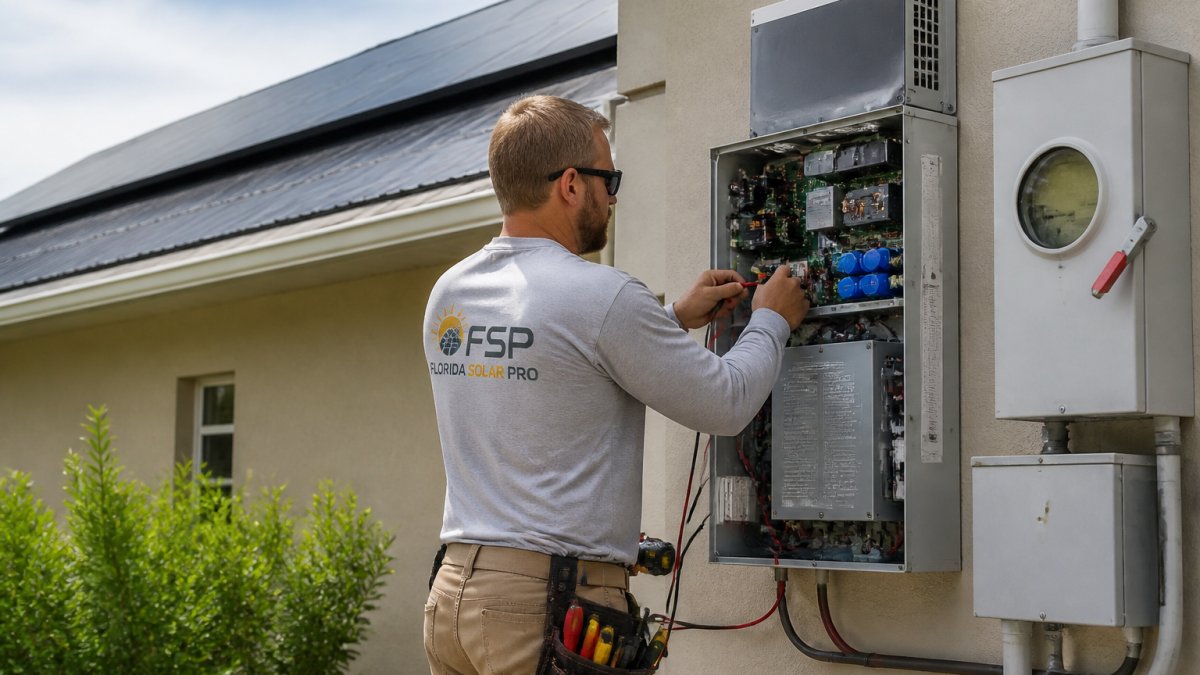
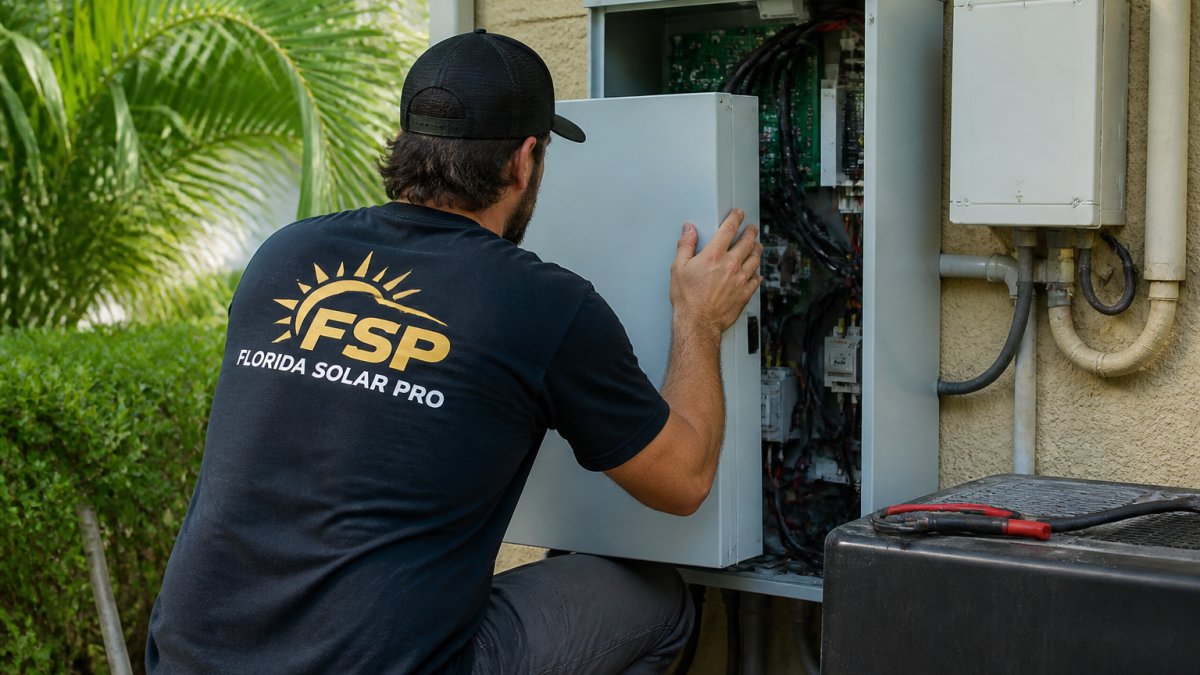
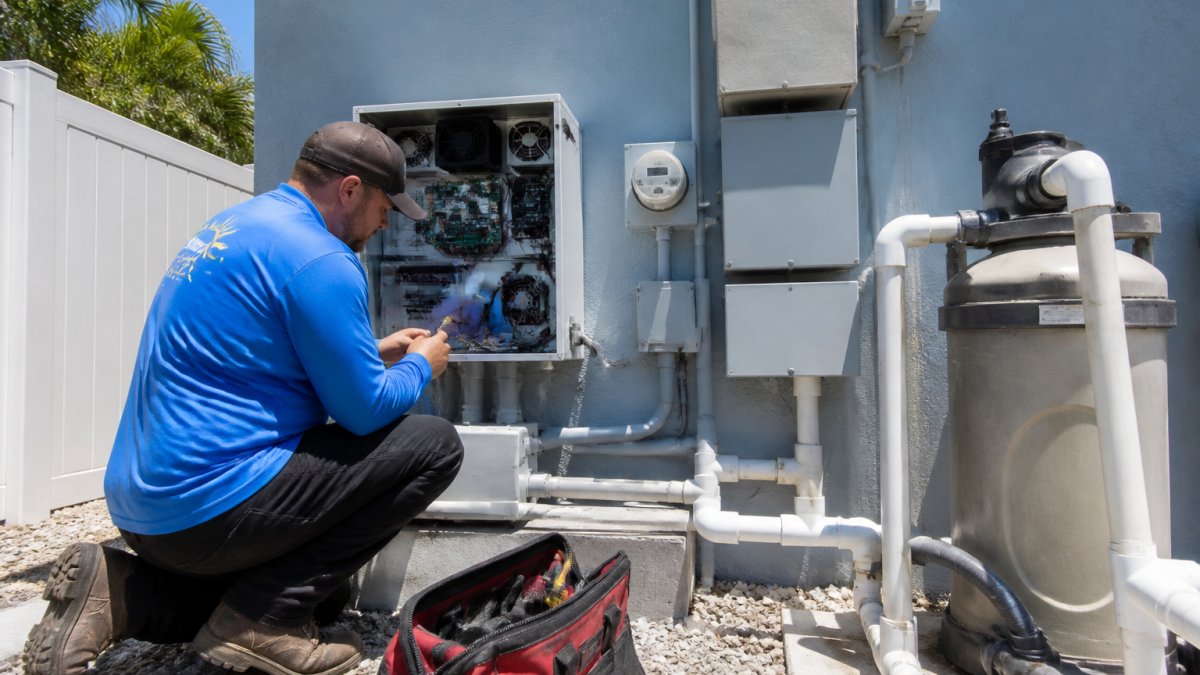
Step 1: Visual inspection. We look at the whole system, from panels to inverter to roof penetrations.
Step 5: Repair plan. We tell you what's wrong, what it costs to fix, and what your warranty covers.
Step 6: Repair or rescue. If you approve, we order parts, schedule the work, and handle the repair.
We're licensed under CVC56702 and certified on Enphase, SolarEdge, SMA, Fronius, and APsystems.
Frequently Asked Questions
Q: My installer went out of business two years ago. Can you still help me? A: Yes. We take over orphaned systems regularly.
Q: How much does a Solar Rescue Assessment cost? A: $149 flat. We cap diagnostics at 2 hours.
Q: What if my inverter needs to be replaced? Is that covered under warranty? A: Depends on the age and the manufacturer.
Q: I'm in Okeechobee. Do you service my area? A: Yes.
Q: Can you fix a system if you didn't install it originally? A: Absolutely.
**Q: What if my system was damaged in a hurricane? Lucie, Stuart, and other coastal areas, we see roof penetration damage and corrosion regularly.
Frequently Asked Questions
What should I do if my solar installer went out of business?
Contact a licensed solar contractor who handles orphaned solar system repair. Gather your original paperwork, equipment serial numbers, and production history. A Solar Rescue Assessment will identify what's wrong and whether repairs or replacement makes sense. We serve Port St. Lucie, Sebring, Okeechobee, and surrounding areas with diagnostics and warranty takeover support. Call 772-464-2663 to schedule.
How can I tell why my solar system is not producing?
Check your inverter display for error codes or a red light. Log into your monitoring app if you still have access. Look for physical damage to panels or roof penetrations, especially after storms. Low production can mean a failed inverter, optimizer faults, monitoring offline, or ground faults. A professional diagnostic test identifies the exact cause and whether repair or replacement is needed.
Can another contractor repair an orphaned solar system?
Yes, if they're licensed and certified on your equipment brand. We're certified on Enphase, SolarEdge, SMA, Fronius, and APsystems systems. Manufacturer warranty assistance depends on eligibility and records. We handle warranty claims and takeovers for homeowners whose original installer is no longer available, across our service territory from Brevard County to Miami-Dade.
How do I troubleshoot an Enphase or SolarEdge inverter problem?
Check the inverter for LED status lights. Enphase microinverters show green (working), amber (alert), or red (fault). SolarEdge displays show error codes on the screen. Document the code and take photos. Restart by turning off the AC disconnect for 10 seconds, then back on. If the fault returns, stop and call a licensed contractor. DIY resets can help, but persistent faults need professional diagnostics.
If your solar installer is gone and your system isn't working, don't panic. It's fixable. Call Florida Solar Pro at 772-464-2663 (Broward/South Florida 954-372-3358) for a Solar Rescue Assessment. We'll diagnose the problem, check your warranty, and get you producing again.
Florida Solar Pro · Solar Energy Professionals · 1930 SW Biltmore St, Port St. Lucie, FL 34984 · 772-464-2663 · Licenses CVC56702 · CPC1458189 · CAC1817178 · SCC131153056