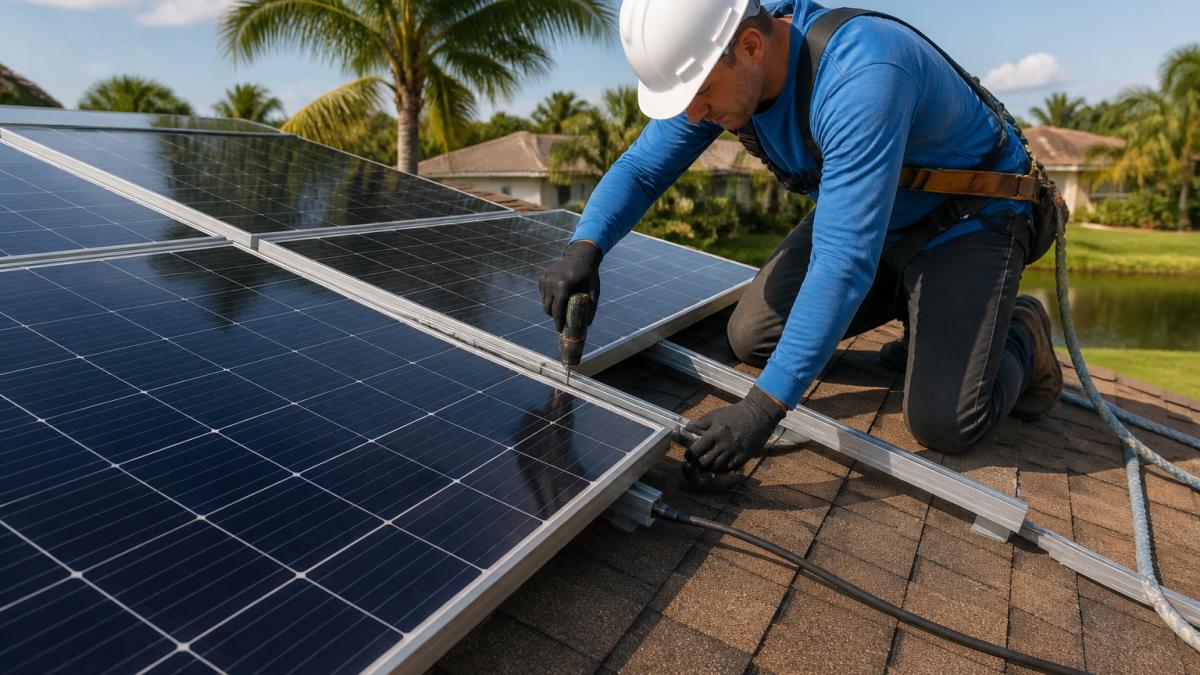
 ultimate-guide
Solar Panel Reinstallation Cost After Roof Repair
Table of Contents
- Why Solar Panels Must Be Removed for Roof Repair
- Solar Panel Removal and Reinstallation Cost Breakdown
- Solar System Inspection After Roof Work
- The Reinstallation Process: What to Expect
- Hiring a Licensed Solar Contractor in Florida
- Insurance and Warranty Considerations
- Frequently Asked Questions
Last Updated: October 2, 2026
Why Solar Panels Must Be Removed for Roof Repair
Your roof and solar panels are interdependent systems. When roof repair becomes necessary, understanding the solar panel reinstallation cost is essential before your panels must come down first. This isn't optional, it's the only safe way to access the underlying roof structure and ensure both systems function properly after work is complete.
Roof repairs often require access to areas directly beneath your panels. Roofers cannot safely work around mounted equipment, and attempting to do so creates liability issues for both the contractor and your home's structural integrity. More importantly, the mounting hardware that holds your panels in place penetrates your roof membrane. Any roof work that touches those areas demands panel removal to prevent water intrusion and system damage.
The removal process protects your investment. Solar panels themselves are durable, but the wiring, inverters, and electrical connections are sensitive to disruption. A professional removal isolates these components safely before roof work begins. This is where hiring a licensed contractor becomes critical, improper removal can damage expensive equipment or create electrical hazards.
Solar Panel Removal and Reinstallation Cost Breakdown
The total cost for removing and reinstalling your solar system depends on multiple factors specific to your installation. Rather than a fixed price, think of this as a service that scales based on your system's complexity and your roof's condition.
Labor and Service Fees
Labor represents the largest portion of your solar panel reinstallation cost. A licensed solar contractor must carefully disconnect electrical systems, safely remove mounting hardware, and document every component before your roof work begins. The reinstallation reverses this process with equal precision.
Several factors influence labor time and therefore cost. System size matters, a 5-kilowatt system takes less time to remove than a 10-kilowatt system. The type of mounting hardware also affects complexity. Some systems use rail-based mounts that require methodical disassembly, while others use rail-less designs that come down more quickly. Roof pitch and accessibility play roles too. A steep roof or one with limited safe access points requires additional safety measures and time.
For current pricing on removal and reinstallation services, Florida Solar Pro recommends contacting us for detailed quotes. Pricing varies based on your specific system configuration and roof condition.
Factors That Influence Your Final Bill
Your final bill reflects the actual work required, not a standard formula. Here's what drives costs up or down:
System age and condition matter significantly. Older panels with degraded wiring or corroded connectors require more careful handling. Newer systems with modern electrical components often come down and go back up more efficiently. If your system has experienced previous damage or repairs, the reinstallation contractor may need to inspect and potentially replace components before putting panels back on the roof.
Roof condition directly impacts reinstallation complexity. If your roof repair reveals structural damage, water intrusion, or compromised decking beneath the mounting points, the solar contractor and roofer must coordinate additional work. This coordination adds time and complexity to the reinstallation phase.
Your roof's material and slope affect both removal safety and reinstallation precision. Metal roofs present different challenges than asphalt shingles. Steep pitches require additional safety equipment and slower work. Flat roofs allow faster access but demand different mounting techniques.
Electrical upgrades sometimes become necessary during reinstallation. If your system's inverter or disconnect switch needs replacement, or if electrical code has changed since your original installation, these upgrades happen during the reinstall window. Florida Solar Pro can assess whether your system meets current electrical codes during the inspection phase.
Solar System Inspection After Roof Work
Before your panels go back on the roof, a thorough inspection protects your system and validates your roof repair. This inspection serves two critical purposes: it documents your system's pre-removal condition, and it identifies any issues that may have developed during the removal or storage period.
A licensed solar contractor should inspect all electrical components. This includes checking inverter function, testing all wiring connections, and verifying that disconnects and breakers operate correctly. The inspection also confirms that no moisture entered the system during removal. If your panels were stored outdoors, they should be examined for water damage or debris accumulation.
The mounting hardware receives equal attention. Before reinstallation, all bolts, rails, and fasteners are inspected for corrosion or damage. Any hardware that shows wear gets replaced, this is not the time to reuse compromised components. The inspection confirms that your roof repair created a sound, properly sealed surface ready for new penetrations.
This inspection phase typically happens just before reinstallation begins. It gives you a clear picture of your system's condition and identifies any surprises before work resumes on your roof.
The Reinstallation Process: What to Expect
Reinstallation follows a methodical sequence that mirrors removal but in reverse. The process typically takes one to three days depending on your system size and roof complexity.
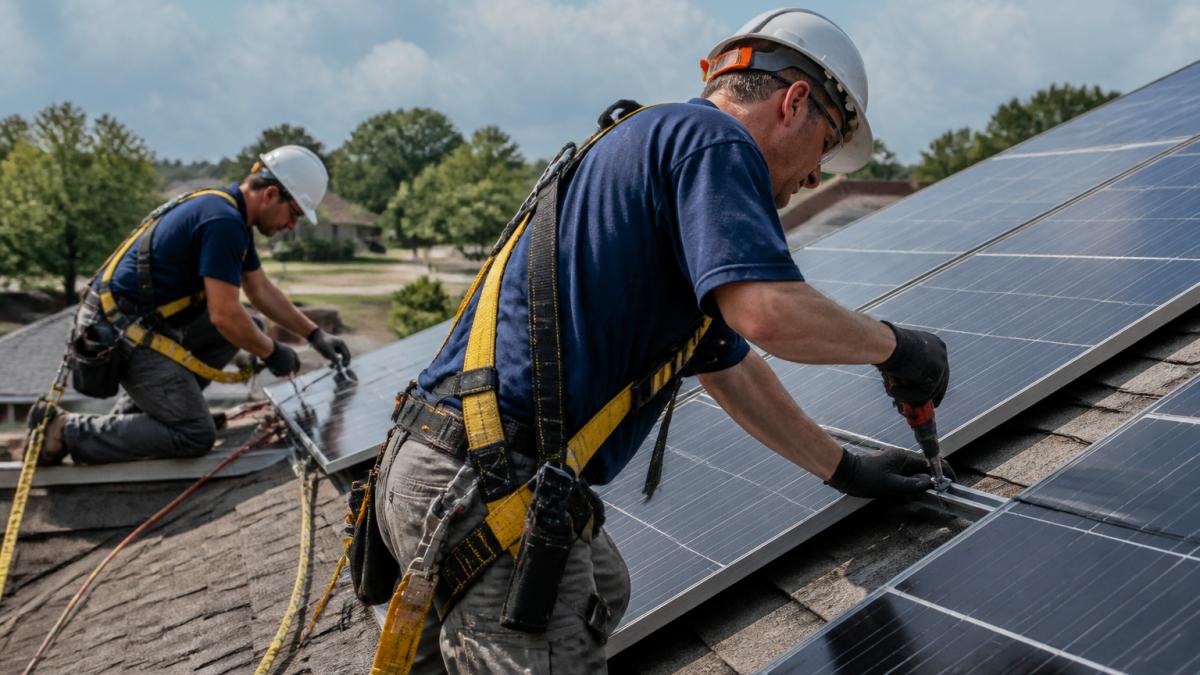
Properly torqueing these fasteners and verifying electrical integrity ensures that the system remains as efficient as it was when you first evaluated solar panel installation costs to determine your initial investment.
Your contractor begins by verifying that the roof is fully cured and sealed. If your roof repair involved new shingles or sealant, the contractor confirms that these materials have set properly. This prevents damage to new roofing materials when mounting hardware is installed.
Next, mounting hardware goes back down in the exact locations where it was removed. Precision matters here, the original mounting points were engineered for your specific roof structure. New mounting points risk compromising your roof's integrity or creating water intrusion pathways. Your contractor uses detailed photographs or documentation from the removal phase to ensure perfect alignment.
Once mounting hardware is secure, electrical components reconnect in reverse order. The array wiring reconnects first, followed by inverter connections and finally the main disconnect. Each connection is tested before the next one is made. This staged approach ensures that if an issue appears, it's caught before the entire system is live.
Timeline for Removal and Reinstallation
Most homeowners can expect the complete removal and reinstallation process to take between two and four weeks from start to finish. This timeline includes the roof repair period, which is often the longest single component.
The removal itself typically takes one to two days. Your contractor disconnects electrical systems, documents components, and carefully removes panels and mounting hardware. This work happens quickly when conditions are favorable, but weather delays or unexpected roof damage can extend this phase.
Roof repair duration varies dramatically based on damage extent. A simple shingle replacement might take one day. Structural repairs, water damage remediation, or extensive decking replacement can take a week or longer. This is where your roofer's timeline becomes the critical path for the entire project.
Reinstallation takes another one to two days for most residential systems. Your contractor verifies roof condition, reinstalls mounting hardware, reconnects electrical components, and conducts final testing. Weather plays a role here too, installers cannot work during heavy rain or high winds.
Between these phases, there are typically waiting periods. Your roof sealant needs time to cure. Your electrical inspection might require a permit and scheduling with your local building department. These intervals are normal and necessary.
Protecting Your Roof During the Work
Both your roofer and solar contractor share responsibility for protecting your roof during the work. Clear communication between trades prevents damage and ensures the project stays on schedule.
Your roofer must protect the areas where mounting hardware was removed. These penetration points are sealed with flashing and roofing cement. Your solar contractor verifies this work before reinstalling panels, improper sealing creates the exact water intrusion problems the roof repair was meant to prevent.
During panel removal, your contractor protects surrounding roof areas from damage. Careful handling prevents dropped tools or hardware from puncturing new shingles. Protective coverings prevent foot traffic from damaging freshly sealed areas.
When reinstalling, your contractor uses the same care. New fasteners penetrate your roof, creating new potential entry points for water. Proper flashing, sealant, and installation technique ensure these penetrations are watertight. Florida Solar Pro uses industry-standard weatherproofing methods that meet local building codes.
Hiring a Licensed Solar Contractor in Florida
Your contractor's qualifications directly impact your system's performance and your roof's integrity after work is complete. This is not a project for unlicensed installers or general contractors unfamiliar with solar systems.
Florida requires solar contractors to be licensed. Verify that any contractor you hire holds an active Florida solar license and carries appropriate insurance. This protects you if damage occurs during removal or reinstallation. Licensed contractors also understand Florida's specific electrical codes and permit requirements, which vary by county and municipality.
Look for contractors with experience in system removal and reinstallation specifically.
Questions to Ask Before You Hire
Before signing any contract, ask these specific questions:
What is your Florida solar license number and current status? Request verification through the Florida Department of Business and Professional Regulation. This takes two minutes and confirms the contractor is legitimate.
Insurance and Warranty Considerations
Your homeowner's insurance and solar system warranty interact in important ways during removal and reinstallation. Understanding these relationships prevents coverage gaps and protects your financial interests.
Frequently Asked Questions
How much does it cost to remove and reinstall solar panels in Florida?
Solar panel removal and reinstallation costs depend on your system size, roof complexity, and local labor rates. Pricing varies significantly based on the number of panels, roof pitch, and whether additional repairs are needed after removal. Contact Florida Solar Pro for a detailed quote specific to your home and location.
Do I need to remove solar panels to replace my roof?
Yes, solar panels must be removed before roof replacement or major roof repairs. Removing them protects both the panels and the new roofing materials. A licensed solar contractor will safely disconnect and temporarily remove your system, then reinstall it after the roof work is complete.
What should I look for when hiring a licensed solar contractor in Florida?
Verify that your contractor holds a current Florida electrical license and proof of insurance. Ask if they're authorized to work on your specific system type. Request references from recent reinstallation projects and confirm they understand local building codes and permitting requirements for your area.
How long does the solar panel reinstallation process take after roof repair?
Removal typically takes one to two days, depending on system size and roof access. After your roof work is complete, reinstallation usually takes another one to two days. The timeline also depends on permit approval and inspection scheduling with local authorities.