 Listicle
Best Solar Pool Heating Equipment Brands: A Florida Buyer's Guide
Last Updated: November 8, 2026
Quick Summary
The best solar pool heating equipment depends on your roof, climate and service needs, but established unglazed polymer collector brands such as Heliocol and SunStar are common choices for Florida homeowners. Florida Solar Pro is an authorized Heliocol and SunStar dealer and manufacturer warranty service provider, and Florida's strong sun makes solar pool heating equipment effective for much of the year.
- Compare collector construction, warranty terms, service support and compatibility with your existing plumbing and controls.
- Look for UV-stabilized polymer collectors, since Florida's sun is intense year-round.
- Check the diverter valve, controller and sensors before assuming a collector has failed.
- Confirm warranty terms against the current written warranty for the specific product.
- Ask any installer whether they are authorized to service your specific brand.
Table of Contents
- How We Compare Solar Pool Heating Equipment Brands
- Quick Comparison of Solar Pool Heating Brands
- Heliocol and SunStar: Brands We Service and Install
- Solar Pool Heating System Components to Check Before You Buy
- Solar Pool Collector Replacement: When It Makes Sense
- Solar Pool Heater vs. Heat Pump: Which Fits a Florida Pool?
- Solar Pool Heater Repair and Choosing a Installer Who Can Service Your Brand
- Frequently Asked Questions
How We Compare Solar Pool Heating Equipment Brands
Choosing solar pool heating equipment is a decision that affects your pool's comfort, your energy bills and your maintenance schedule for years. When evaluating solar pool heating equipment, the factors that matter include collector construction, warranty terms, service support in your area, compatibility with your existing plumbing and controls, and how the system holds up under Florida sun, storms and freeze events. Ease of getting parts and qualified technicians is also worth considering.
Solar pool heating is a mature technology, and most reputable brands use similar basic designs: unglazed polymer collectors mounted on the roof, connected to the pool filtration loop through a diverter valve. The differences that matter most tend to show up in material quality, UV resistance, manifold design, warranty language and service support.
Keep in mind that brand compatibility depends on the model and the specific system. Warranty coverage and labor terms vary, so always confirm them against the current written warranty for the product you are considering.
Quick Comparison of Solar Pool Heating Brands
The table below summarizes the brands most often considered by Florida homeowners. Pricing for solar pool heating equipment is quote-based and depends on roof size, collector count, plumbing layout and controls, so we have not listed prices. Contact Florida Solar Pro for a current estimate.
| Brand | Type | Florida Service Support | Best For | Main Consideration |
|---|---|---|---|---|
| Heliocol | Unglazed polymer collector | Authorized dealer and warranty service | Homeowners wanting an established, widely installed collector | Confirm warranty terms in writing |
| SunStar | Unglazed polymer collector | Authorized dealer and warranty service | Owners seeking manufacturer-backed service in our territory | Confirm warranty terms in writing |
| SwimEasy | Solar pool heater | Check local availability | Comparing systems against roof and climate | Specifications and warranty not confirmed in our research |
| SwimJoy | Solar pool heater | Check local availability | Shoppers wanting a named brand to compare | Brand-specific details not confirmed in our research |
| SunLink Pro | Solar pool heater | Check local availability | Buyers comparing several named brands | Brand-specific details not confirmed in our research |
| NanoEdge | Solar pool heater | Check local availability | Buyers evaluating multiple options | Brand-specific details not confirmed in our research |
Heliocol and SunStar: Brands We Service and Install
Florida Solar Pro is an authorized Heliocol and SunStar dealer and manufacturer warranty service provider. That means we install and repair these systems and help owners with eligible manufacturer warranty procedures. We service existing systems and help with warranty claims, but servicing a brand does not automatically make us the warranty holder. Manufacturer coverage, the original installer's workmanship obligations and our own warranty on our work are separate things, and we explain each one before any work begins.
For a Heliocol or SunStar system, we check the collector condition, manifold and header integrity, diverter valve operation, controls and sensors, and the pool's circulation rate. Many "the heater stopped working" calls can turn out to be a stuck valve, a failed sensor or a leak at a collector connection rather than a failed collector. Diagnosing the actual cause is the first step in any repair.
Our general service territory runs from south of Daytona to Miami, with service reaching west to Okeechobee and Sebring. Manufacturer-authorized territory for these brands is limited to Brevard through Miami-Dade. If you are outside that area, confirm local availability with the manufacturer before choosing a system.
Solar Pool Heating System Components to Check Before You Buy
Before you commit to any brand, look at the components that do the actual work. A good collector can be undermined by a weak manifold, undersized plumbing or controls that do not respond properly to temperature changes.
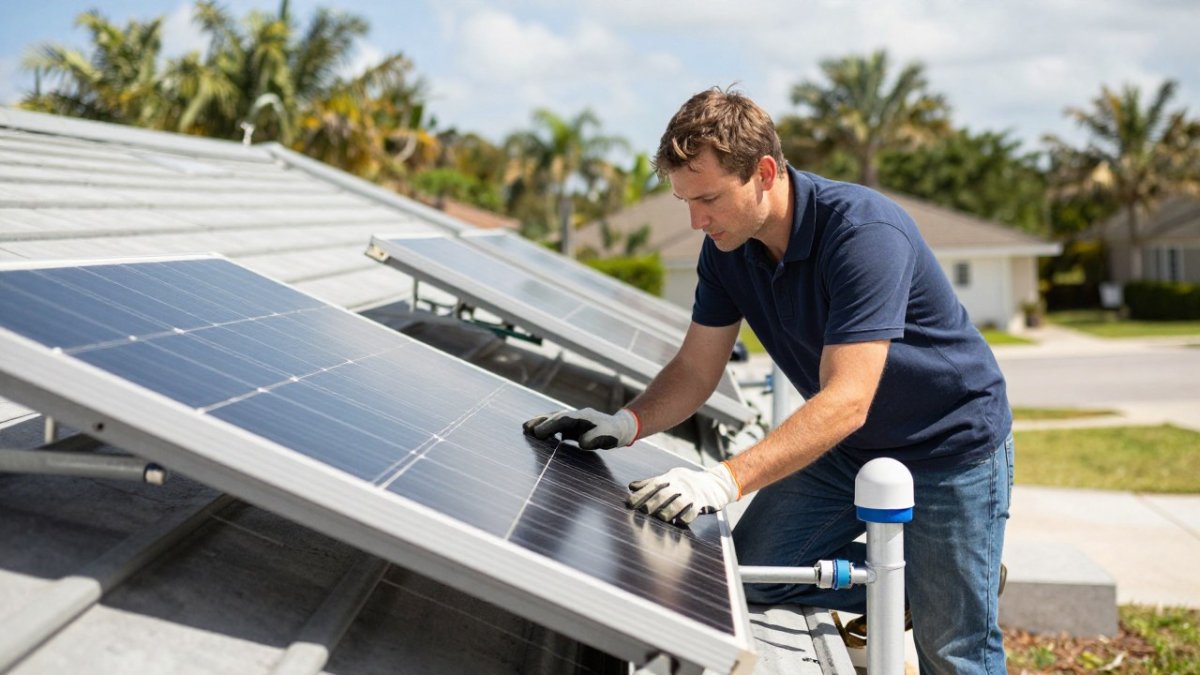
Start with the collectors. Look for UV-stabilized polymer construction, since Florida's sun is intense year-round. Ask about the manifold design and how the collector connects to the header pipes, because connection points are a common leak source. Check whether the collectors are rated for the freeze conditions in your area, especially if you are inland where overnight lows can drop sharply in winter.
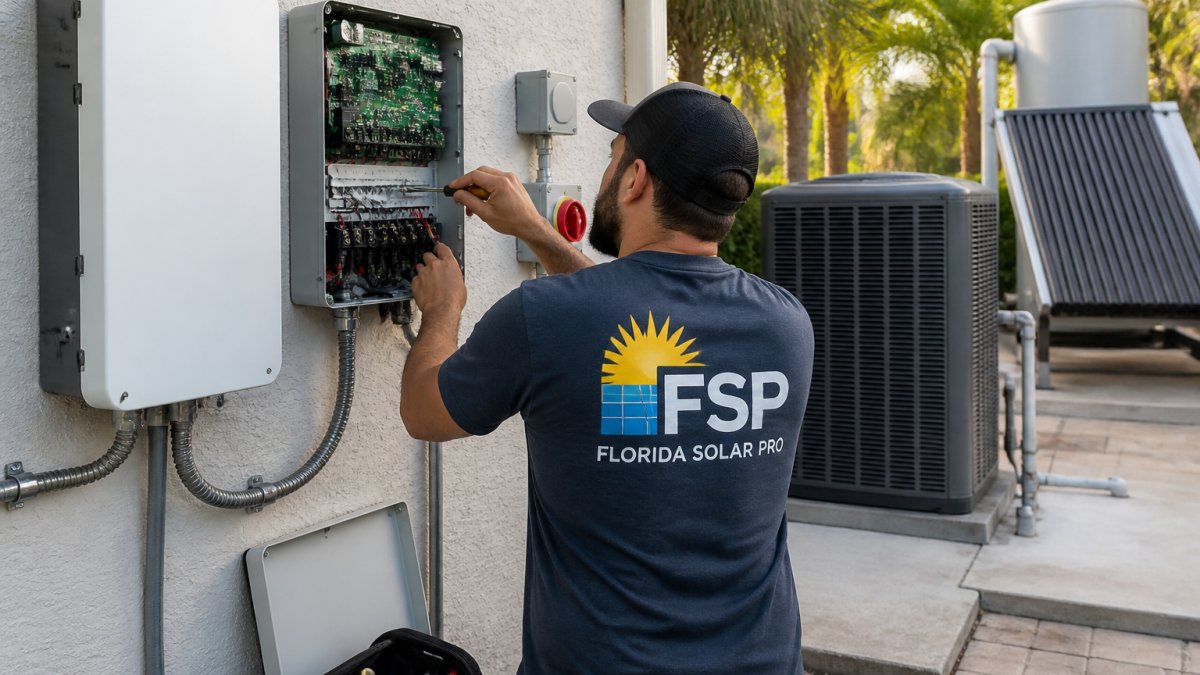
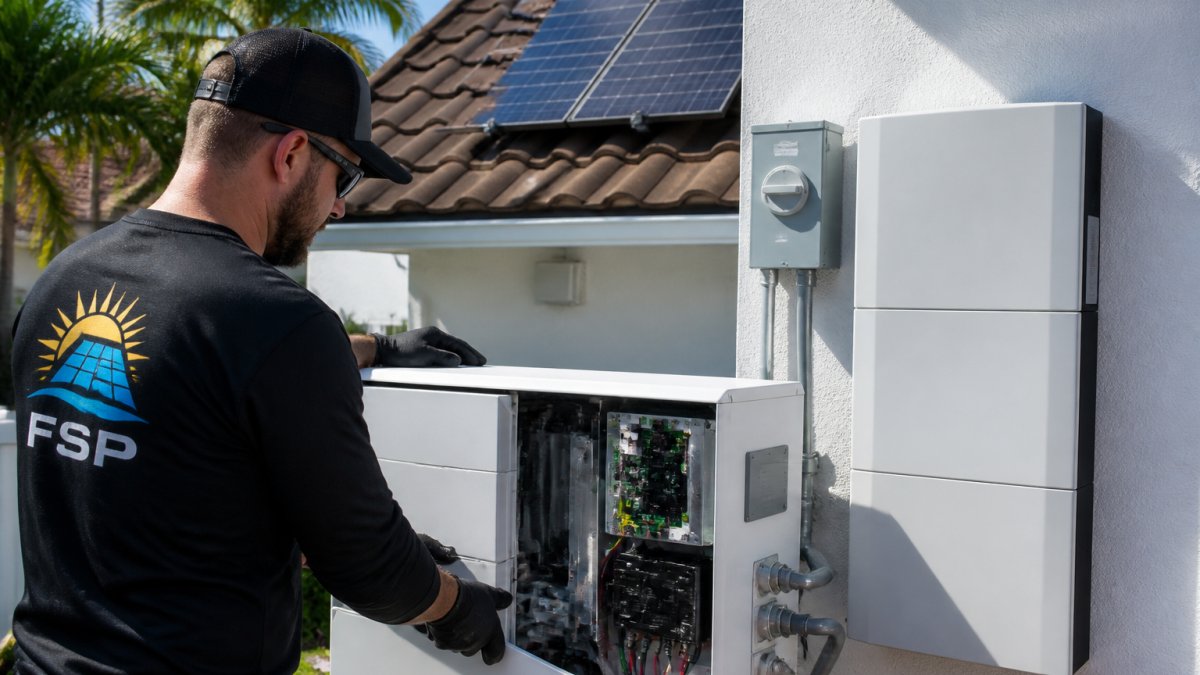
Next, review the controls. A differential controller with a pool temperature sensor and a roof sensor decides when to send water to the collectors. The diverter valve, which switches flow between the roof and the pool's normal return, should operate smoothly. Stuck or sluggish valves are a frequent service call.
Finally, confirm the plumbing and pump. The system needs enough flow through the collectors to heat water efficiently, and the pump must be sized for the combined loop. Ask any installer to show you the flow calculation for your specific pool and roof.
Watch out: a pump that is undersized for the collector array will not move enough water to heat the pool effectively, and the system can appear to fail when the real problem is flow.
Solar Pool Collector Replacement: When It Makes Sense
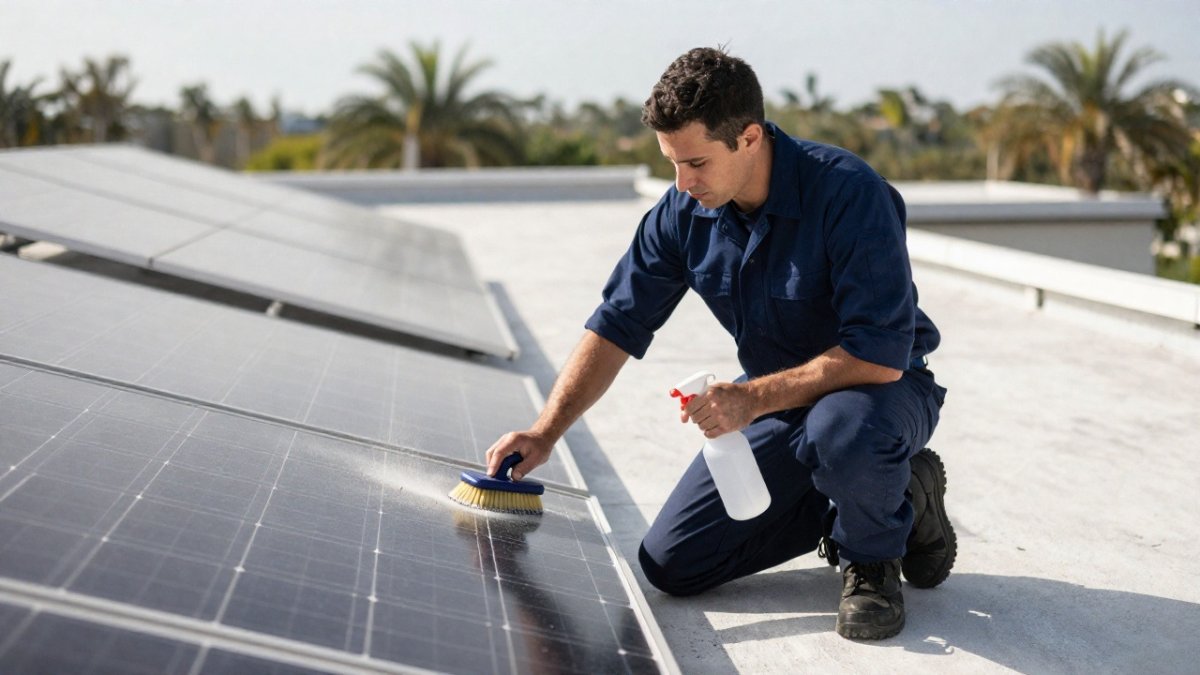
Replacing collectors is a bigger decision than replacing a valve or sensor, so it helps to know when it is actually the right call. Collectors are often the most durable part of the system, but UV exposure, hail, storm debris and freeze damage can all cause failure over time. Look for cracked or split collector housings, persistent leaks at connection points, and sections that stay cold while others heat normally.
Before replacing, have the system diagnosed. A single leaking collector can sometimes be swapped without replacing the whole array, and repairing a connection may cost far less than new collectors. If the collectors are an older discontinued model, replacement may need to match the original design to fit the existing manifold and mounting.
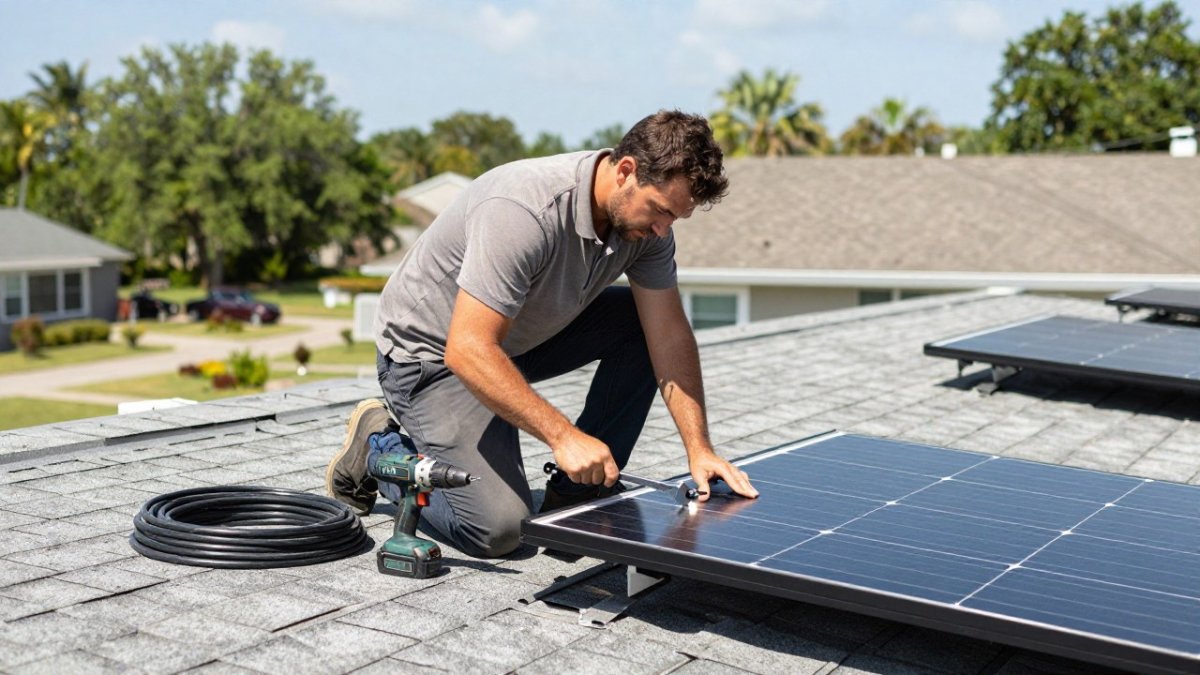
When a collector is damaged in a storm or during a roof repair, the picture changes. Collectors may need to be removed and reinstalled as part of the roofing work, and that requires careful planning to avoid additional damage. The question then becomes whether the existing collectors are worth reinstalling or whether replacement makes more sense.
Solar Pool Heater vs. Heat Pump: Which Fits a Florida Pool?
Solar pool heaters and heat pumps solve the same problem in different ways, and each suits different situations. A solar heater uses free energy from the sun and is most effective during warm months. A heat pump uses electricity to move heat from the air into the water and can extend the swimming season when temperatures drop. Whichever heating method you choose, variable speed pool pumps can help manage circulation efficiently while keeping water moving through the system.
In Florida, solar heating often covers most of the year's heating needs because of the strong sun. Heat pumps are useful for owners who want to extend the season or maintain a set temperature on cooler evenings. Many homeowners use both: solar as the primary heat source and a heat pump for supplemental heating. Gulfstream heat pumps are one option we install and service, and we size and integrate them with existing solar pool heating systems.
Do not expect any heating system to guarantee a fixed temperature year-round. Results depend on roof orientation, shading, pool cover use, wind, and your local weather. A heat pump's performance also depends on the air temperature, and output falls as the air gets colder.
Solar Pool Heater Repair and Choosing a Installer Who Can Service Your Brand
Most solar pool heater repairs are straightforward when the cause is identified correctly. Common issues include leaks at collector connections, failed sensors, a stuck diverter valve, a faulty controller and air trapped in the collectors. Checking the pool cover, filter condition and pump run times first can rule out simpler problems.
When choosing an installer, ask whether they are authorized to service your specific brand. Authorization matters for warranty claims, access to genuine parts and correct procedures. Ask for references, confirm license and insurance coverage, and get the scope of work in writing. Florida Solar Pro holds the following licenses: CVC56702, CPC1458189, CAC1817178 and SCC131153056. We use our own crew for solar work and are fully insured, including workers' compensation.
When choosing any technician, confirm their credentials directly and ask which brands they are authorized to service. For a homeowner in the West Palm Beach area who needs a diagnosis, our local solar repair page explains how to request an inspection estimate. If your system is leaking or not heating, our guide to fixing leaks and restoring heat walks through the early checks before you decide between repair and collector replacement.
Our Heliocol-specific pool services page describes the Heliocol work we handle, and our Heliocol and SunStar pool services overview covers both brands. For a broader look at our solar pool heating work, start with the solar pool heating overview.
For a current estimate or a diagnostic visit, call Florida Solar Pro at 772-464-2663, or 954-372-3358 if you are in South Florida.
Florida Solar Pro · Solar Energy Professionals · 1930 SW Biltmore St, Port St. Lucie, FL 34984 · 772-464-2663 · Licenses CVC56702 · CPC1458189 · CAC1817178 · SCC131153056
Frequently Asked Questions
What are the best solar pool heating equipment brands?
The best brand depends on your pool, roof, and how you plan to service the system. Florida Solar Pro is an authorized Heliocol and SunStar dealer and manufacturer warranty service provider, so we can install, diagnose, and repair those lines. We do not have current service information for other brands, so please ask any installer which brands they can service. Ask any installer which brands they can service and what warranty support applies before you buy.
Is Heliocol or SunStar better for a Florida pool?
Both are solar pool heating lines we install and service, and neither is automatically better for every pool. The right choice depends on your roof space, plumbing layout, and existing equipment. We review those details during a site visit and explain which configuration fits your property. Call 772-464-2663 to schedule an assessment.
Can solar pool heating collectors be repaired or replaced individually?
In many cases, individual collector panels can be replaced without replacing the whole array, especially when the damage is limited to one or two panels from cracking, freeze damage, or leaks. Whether that makes sense depends on the age of the collectors, whether matching replacement parts are still available, and any remaining manufacturer warranty. We inspect the system and document what is damaged before recommending a repair or replacement scope.
How do I know if my solar pool heating system needs repair?
Common signs include a pool that stays cool on sunny days, water that does not return warmer from the collectors, visible leaks or cracks, a controller or valve that will not respond, or water loss after the pump runs. Some of these you can observe safely from the ground. Anything involving the roof, pressurized plumbing, or electrical controls should be handled by a qualified professional. Stop and call if you see active leaking or unusual noises from the equipment pad.